
Are Data Centers Really Taking All the Water? What Texas Well Owners Should Know
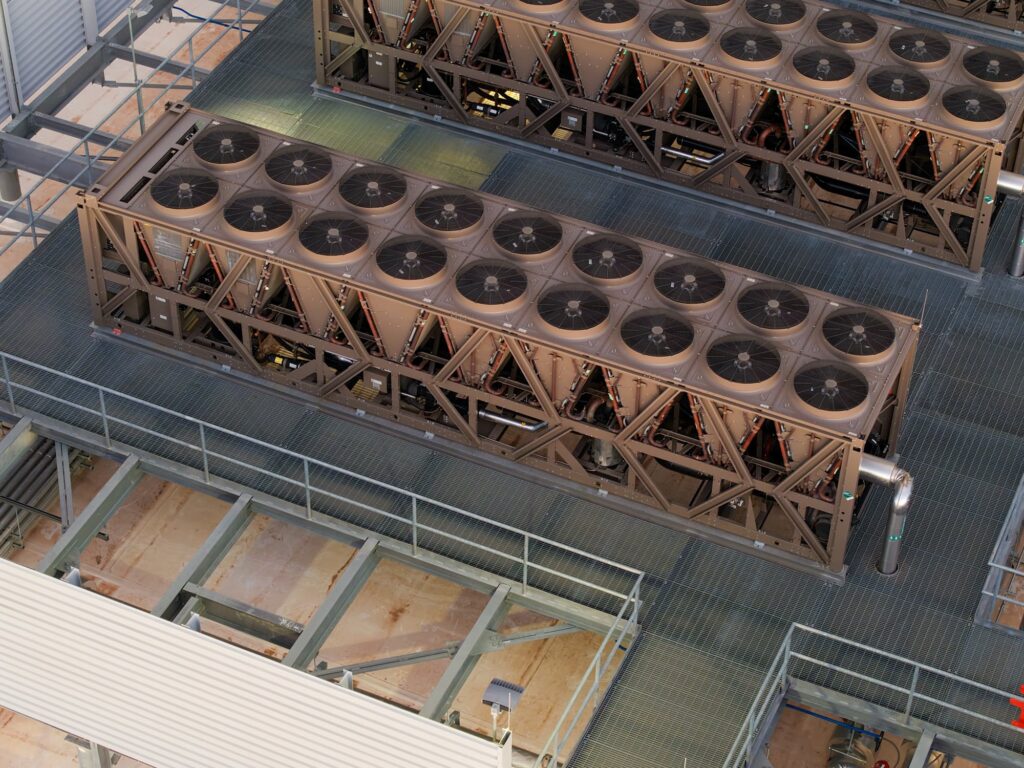
If you’ve heard that a new data center is going to drain the aquifer under your place, you’re not alone. Texas is one of the hottest spots in the country for these server farms, and a lot of rural landowners are asking the same thing: is this real, or is it hype? The honest answer is a little of both.
What the Numbers Actually Say
A May 2026 white paper from the University of Texas at Austin found that data centers use less than 1% of Texas’ water today. For comparison, manufacturing uses about 7%, according to the current state water plan. So no, data centers are not taking all the water right now.
The concern is where things are headed. That same UT study estimates data centers could reach 3% to 9% of the state’s water use by 2040, depending on how fast the industry grows, how the buildings are cooled, and what kind of power plants feed them. A January 2026 report from the Houston Advanced Research Center (HARC) put current statewide use at roughly 25 billion gallons a year, counting both on-site cooling and the water used to generate their electricity.
That second part matters. A big share of a data center’s water footprint isn’t at the data center at all. It’s at the gas, coal, or nuclear plant making its power, since those plants use water for cooling too.
Why Local Impact Can Be Bigger Than the State Average
A statewide percentage can hide a lot. One large facility pulling from one aquifer in one county can matter far more to the neighbors than a small number on a state chart. A few things make it hard to judge:
- Secrecy. HARC and Texas Living Waters have pointed out that non-disclosure agreements often keep local officials from sharing details about proposed projects.
- Uneven rules. Groundwater in Texas is mostly managed by local groundwater conservation districts, and some counties don’t have one at all. The Houston Chronicle reported dozens of facilities planned or operating in Dallas County, which isn’t covered by a district.
- Thin data. The Legislature directed the Public Utility Commission to collect water-use data from industries including data centers, due by the end of 2026. Until then, nobody has a full picture.
There’s some good news, too. Researchers at UT’s Bureau of Economic Geology are studying whether brackish water from the deeper Dockum Aquifer could cool West Texas data centers instead of the Ogallala. Some tech companies have also announced plans to use more reclaimed water.
What It Means for Your Well
If you’re on a private well, your best protection is knowing your own water and knowing who manages it. Here’s a short checklist:
- Find out whether your county has a groundwater conservation district, and sign up for its meeting notices.
- Watch for permit applications for large new wells near you. Districts usually hold public hearings, and that’s where landowners get heard.
- Write down your static water level, pump depth, and the date. A baseline now makes any future drop easy to prove.
- Note changes like sputtering, sand, or a pump running longer to fill the tank, and have them checked early.
- If you’re planning a new or deeper well, talk to a driller who knows your local aquifer.
The Bottom Line
Data centers aren’t draining Texas today, but they’re growing fast, and the real fights will be local, aquifer by aquifer. Landowners who know their water levels and show up at district meetings will have the strongest voice.
If you need a well checked, deepened, or drilled, browse our Texas water well contractors by county.