
Winter Cedar Clearing in Texas: Why Now Is the Window, and What It Costs
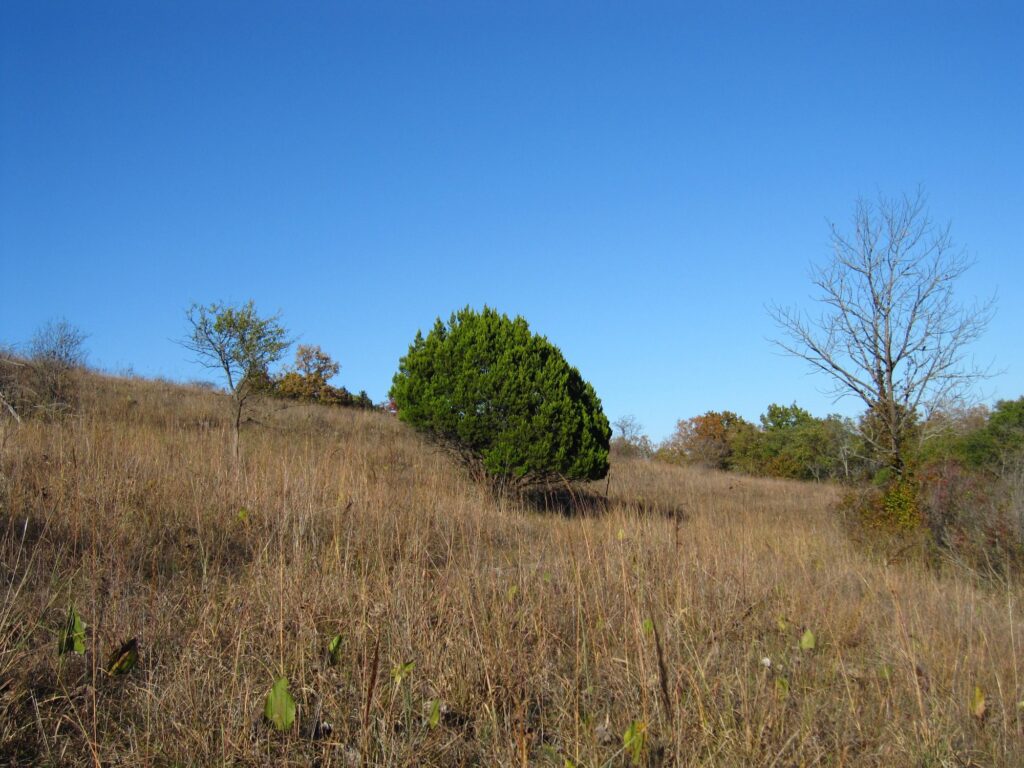
Ashe juniper, the tree most Texans just call cedar, has a way of taking over a pasture while you’re not looking. A few scattered trees turn into a thicket, the grass thins out underneath, and suddenly a good piece of land is hard to walk, graze, or hunt. If you’ve been meaning to deal with it, late fall through winter is the time to start.
Why Late Fall and Winter Work Best
Researchers writing for Texas A&M’s Texas Natural Resources Server note that hand grubbing and cutting juniper is easier and most effective from late autumn through early spring. Temperatures are cool, the grass is dormant, and small seedlings are much easier to spot against brown pasture.
There are practical reasons too. Snakes and chiggers are less of a problem, crews and equipment work longer without overheating, and you’ll have cleared ground ready when spring grass wants to come back.
The Good News About Ashe Juniper
Ashe juniper does not resprout from its roots. Cut it at or just above the ground and it dies. That’s different from redberry juniper and mesquite, which come back unless you cut below the bud zone or root crown. If you’re in Central Texas, you’re most likely dealing with Ashe, which makes the job simpler.
Common Clearing Methods
- Hand cutting. A chainsaw, ax, or loppers on small trees. Cheap and gentle on the land, and ideal for follow-up work.
- Hydraulic shears. A skid steer or loader with shears snips trees at the base. Works well on Ashe since you don’t need to pull roots.
- Grubbing. A tractor-mounted blade or grubber pulls the tree and much of the root. Best on smaller trees, but it disturbs soil and can turn up rock.
- Mulching. A forestry mulcher grinds trees in place. Fast and clean-looking, and leaves mulch instead of brush piles.
- Dozing. Heavy equipment for thick, mature stands. Fast, but rough on grass and soil.
Whatever method you choose, think about what you’re leaving. Many landowners keep islands of brush and travel corridors for wildlife instead of clearing everything.
What It Costs
There’s no honest single number. Price depends on tree size, density, terrain, rock, access, and what happens to the debris. The published research is old: a 2004 Bosque County trial on regrowth cedar figured grubbing at about $107 an acre and hydraulic shearing at about $295 an acre, based on $45-an-hour custom rates. Today’s rates are higher, so get current local quotes.
When comparing bids, ask:
- Is it priced by the acre or by the hour?
- Does it include stacking, burning, hauling, or mulching the debris?
- Are they cutting everything, or selectively thinning?
- Are they insured, and can you see work they’ve done nearby?
- Will they come back for follow-up?
Plan for Follow-Up
Clearing is never one and done. Seedlings you missed, and new ones from seed, will come back. The same research suggests maintenance grubbing or cutting every 6 to 8 years keeps regrowth in check for far less than the first clearing. Grass recovery helps too, so give cleared pasture a rest before grazing it hard.
If you’ll be burning brush piles, check your county’s burn ban status first and keep piles away from fences and structures.
Quick Winter Cedar Checklist
- Walk the property and mark what stays and what goes.
- Decide on a debris plan: burn, mulch, or haul.
- Get at least two or three written bids.
- Schedule work before spring green-up.
- Put a follow-up date on the calendar.
Ready to get bids? Browse our land management and clearing contractors by county.
Photo: cm195902 (Flickr), via Wikimedia Commons, CC BY 2.0.