
Building or Fixing a Stock Tank in Texas: Water Rights, Dams and Upkeep
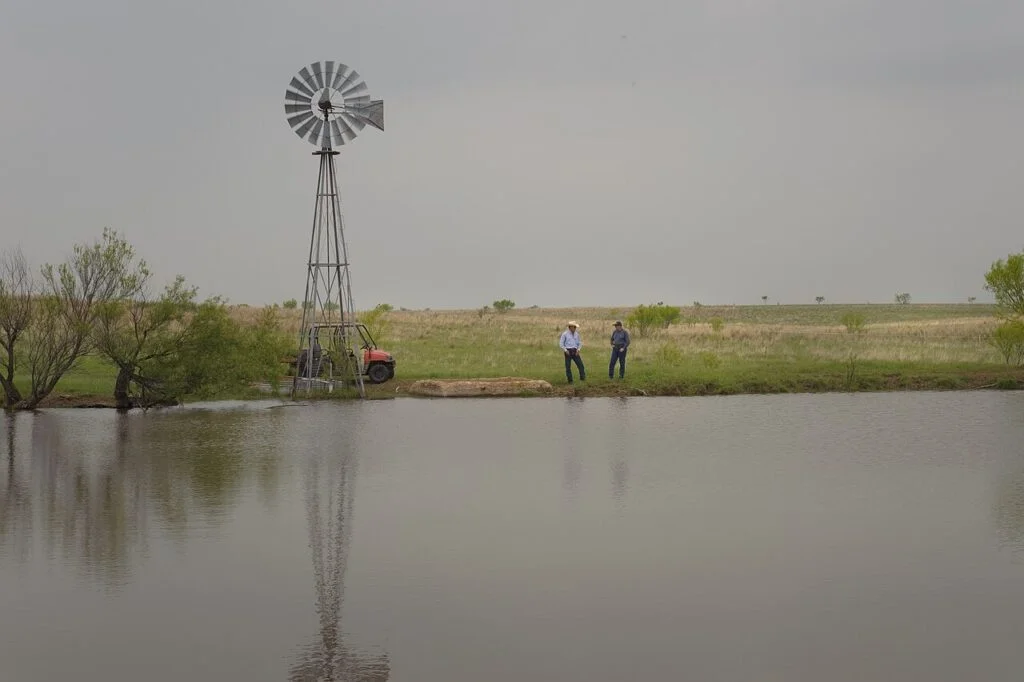
A good stock tank is one of the most valuable improvements you can make to Texas land. It waters cattle and goats, draws in deer and ducks, gives you a place to fish, and in a dry summer it can be the only open water for miles. A badly built tank can leak, silt up in five years, wash out a neighbor’s road, or land you in trouble with the state. Here’s what to know before the dozer shows up, and how to keep an existing tank healthy.
Who Owns the Water? Texas Surface Water Basics
This surprises many new landowners. In Texas, groundwater generally belongs to the landowner, but surface water in streams, creeks and draws belongs to the state. Using it usually requires a water right from the Texas Commission on Environmental Quality (TCEQ).
There’s an important exception for ranchers. Section 11.142 of the Texas Water Code lets a landowner build a dam or reservoir on their own property without a permit if it holds a normal storage of no more than 200 acre-feet and the water is used for domestic and livestock purposes. An acre-foot is one acre covered one foot deep, roughly 326,000 gallons. That’s far more than most stock tanks hold.
The exemption has limits:
- The stated purposes are domestic and livestock use. Plans to irrigate crops, sell water, or run a commercial fishing or recreation business may need a permit. Some uses, such as wildlife, have their own rules, so check with TCEQ.
- It covers storage on your own land. It doesn’t allow you to cut off water that a downstream owner holds rights to.
- Rules for certain coastal and river basins and for tanks built on navigable streams can differ.
If your project is anywhere near the line, or the creek is big enough to have a name on a county map, call TCEQ’s water rights staff before you build. A tank that only catches runoff from a draw is usually simpler than one built across a flowing creek.
Dam Safety: When a Small Tank Becomes a Regulated Dam
Most stock tank dams are small enough that the state never looks at them. Taller dams, or dams that could put homes or roads at risk if they failed, may fall under the TCEQ Dam Safety Program. TCEQ classifies dams by size and by the hazard a failure would create downstream. A modest dam above a county road or a neighbor’s house can draw more scrutiny than a bigger dam in an empty pasture.
Practical rules for any dam, regulated or not:
- Spillway. Build an emergency spillway around the end of the dam, cut into undisturbed ground, wide enough to pass a big storm without overtopping the fill. Overtopping is the most common way earthen dams fail.
- No trees on the dam. Roots open channels for water to seep through, and a tree blown over can tear a hole in the fill. Keep the dam in grass and mow it.
- Watch for wet spots. Seepage, soggy ground or new springs on the downstream face of the dam are warning signs. Get someone experienced to look at them.
- Keep hogs and cattle off the face. Rooting and trails along the dam start erosion.
Picking the Site and the Soil
Where you put the tank matters as much as how it’s built.
- Watershed size. Too little drainage area and the tank stays dry. Too much and it silts in quickly and stresses the spillway. Experienced pond builders size the tank to the drainage, and your local USDA Natural Resources Conservation Service office can help with design guidance.
- Soil. Tanks need enough clay to hold water. Sandy or gravelly soils, and fractured limestone in the Hill Country, can leak badly. A builder may need to haul in clay, compact a clay core, or treat the bottom with bentonite.
- Depth. Plan for at least 8 to 10 feet of water in part of the tank. In a Texas summer, evaporation can take several feet, and shallow tanks warm up, grow weeds and lose fish.
- Utilities and easements. Call Texas 811 before digging, and check for pipeline and power line easements. Building a tank on a pipeline right-of-way can cause serious problems.
Cleaning Out or Repairing an Old Tank
Many Texas properties come with a tank built decades ago that is now half full of mud. Drought is the best time to clean one out. Once the water is low, a dozer or excavator can remove silt, deepen the basin, rebuild the dam, and repair the spillway. Some contractors use long-reach excavators or dredging equipment to clean tanks that still hold water.
Before you start, decide where the spoil will go. Dumping it in a draw or along the bank just washes it back in. Spreading it on pasture and seeding it, or using it to build up the dam, usually works better.
Weeds, Algae and Fish
Once a tank has water, the next fight is usually with plants. Texas A&M AgriLife’s AquaPlant site is the best free tool for this. You can identify the weed from photos and get control options, including mechanical, biological such as triploid grass carp, and chemical. Use only herbicides labeled for aquatic use, follow the label exactly, and treat in sections so decaying plants don’t use up the oxygen and kill your fish.
Keeping cattle out of part of the shoreline and keeping fertilizer and manure runoff out of the tank will cut down on algae blooms. A fenced water gap or a trough fed from the tank lets livestock drink without trampling the banks. Ranch and livestock fence contractors can build a water gap or a trough-fed watering area.
If you want fish, the TPWD fish stocking and fisheries management pages explain how stocking works in Texas waters. Many private pond owners buy from licensed hatcheries. A classic Texas stocking is largemouth bass with bluegill or redear sunfish, sometimes with channel catfish. The right mix depends on the size of the tank and what you want out of it. Triploid grass carp for weed control require a TPWD permit, so look that up before you order any.
Taxes and Wildlife Plans
If your land has an agricultural or wildlife management valuation, a tank can support it, either as a livestock water source or as a water feature in a wildlife plan. Talk to your county appraisal district before you count on that. The Texas Comptroller’s ag and timber page explains how special valuation works.
Hiring the Right Crew
Building a tank is earthwork, and results depend heavily on the operator’s experience. Ask any contractor:
- How many tanks have you built or cleaned in this county, and can I see one?
- How will you build and compact the dam, and where will the spillway go?
- Is my soil good enough to hold water, and what will you do if it isn’t?
- Do you carry liability insurance, and will you call 811?
- What happens to the spoil and the topsoil?
Our Land Management directory lists dozer operators, dirt-work crews and pond specialists across Texas, and you can search it by county. A well-built tank, kept up properly, can water your livestock for decades.