
Wild Pigs Tearing Up Your Pasture? A Texas Landowner’s Control Plan
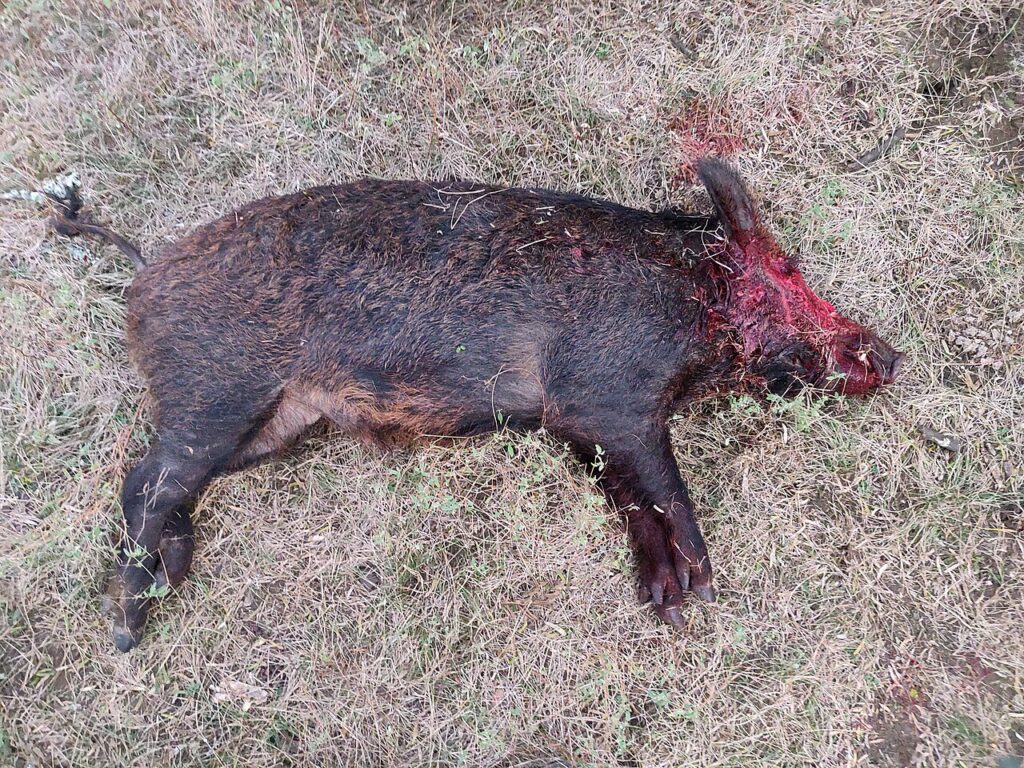
You walk out to the hay meadow and it looks like someone ran a rototiller through it overnight. The deer feeder is knocked over, the stock tank is a mud wallow, and there’s a fresh gap under the net wire. If you own land almost anywhere in Texas, you’ve probably met wild pigs, which most people call feral hogs.
Wild pigs are in every Texas county except El Paso, according to Texas Parks and Wildlife Department, and an estimated 2.6 million of them live in the state. TPWD cites studies putting their damage to Texas agriculture at about $118.8 million a year. That figure leaves out what they do to fences, roads, ponds, lawns and wildlife habitat. Here’s how to build a control plan that actually reduces the damage instead of just keeping you busy.
Know What You’re Up Against
Hogs breed early and often. TPWD notes that sows can breed before they are a year old, average four to six piglets a litter, and can breed again within about a week of weaning. Researchers estimate that 66 to 70 percent of a population has to be removed every year just to keep it from growing, and current control in Texas only reaches about 29 percent.
That leads to the most important rule of hog control: removing a few pigs here and there doesn’t work. Shooting one or two hogs a weekend can make the problem worse. The rest of the group, called a sounder, learns to avoid you, changes its schedule, or moves to the neighbor’s place and comes back later. The goal is to remove whole sounders at once, especially the sows and young pigs.
Step 1: Figure Out Where and When They Move
Before buying a trap, spend two weeks scouting. Look for:
- Rooting. Overturned sod along creeks, fence lines and under oaks during acorn season.
- Wallows. Muddy depressions near tanks, seeps and low spots.
- Rubs. Mud smeared on posts, poles and tree trunks about knee to thigh high.
- Trails and crossings. Low gaps under fences with coarse hair caught on the bottom wire.
Put a game camera or two on the heaviest sign. Cellular cameras cost more but pay off, because they show you how many pigs are in a group and when they arrive. Most sounders run on a schedule tied to food and water, and in hot months most of their activity happens at night.
Step 2: Bait Before You Trap
Start putting out bait where the pigs already travel, such as soured whole corn, before the trap goes up. Once they’re coming in every night, build the trap around the bait and leave the gate tied open for several more nights so they get used to walking in. Patience here is what separates catching one pig from catching twelve.
Be aware that deer, raccoons and other wildlife will eat the bait too. Check current TPWD hunting and baiting rules if you also hunt deer over the same area.
Step 3: Choose the Right Trap
TPWD describes two main types:
- Box traps. Small and portable. These are good for one problem boar or a small group near the house. The trouble is that they catch only a few at a time, and the pigs left outside learn to avoid them.
- Corral traps. Larger pens, often built from 16-foot cattle panels and T-posts, with a drop or rooter gate. TPWD cites research showing that corral traps caught more than four times as many pigs as individual box traps.
Remote-triggered gates have changed hog trapping. With a cellular camera and a gate you can drop from your phone, you wait until the whole sounder is inside before you spring it. That one change does more to raise catch rates than anything else.
Step 4: Shooting, Dogs and Aerial Control
Ground shooting still has a place. Night shooting with thermal or night-vision optics can remove several pigs at once in open fields and crops. Trained dogs can catch the trap-shy pigs that every program ends up with. On large, open properties, aerial control from a helicopter can take out pigs faster than anything else. This requires an aerial wildlife management permit through TPWD and usually cooperation among neighbors. See the TPWD wild pig page for the permit link.
Before anyone shoots on your land, sort out the legal basics. Check TPWD’s current rules on hunting license requirements, night hunting, and taking hogs that are damaging your property. Make sure anyone hunting has your written permission, since entering land without consent is criminal trespass in Texas. If you lease hog hunting rights, put it in writing, just as you would for a deer lease.
Step 5: Never Move Live Hogs Without Checking the Rules
TPWD points out that moving wild pigs by people is one of the biggest reasons they keep spreading, and turning hogs loose in new areas is illegal in Texas. Live feral swine can only go to approved destinations, such as authorized holding facilities or slaughter, and they must meet Texas Animal Health Commission requirements. If you sell trapped hogs to a buying station, call the TAHC or the buyer first to confirm what’s required.
Step 6: Protect Your Own Health and Your Livestock
Wild pigs can carry at least 30 diseases, including swine brucellosis, pseudorabies, leptospirosis and trichinosis, TPWD says. When you field dress or butcher a hog, wear gloves and eye protection, avoid cuts, and cook the meat thoroughly. Keep hogs away from domestic pigs and livestock feed. If your cattle, goats or show pigs show unusual illness after hogs move through, call your veterinarian. Some diseases must be reported to the state.
Step 7: Fix the Damage and Make the Place Less Attractive
Control works better when the property offers less for hogs to eat and fewer easy ways in:
- Feeders. Fence deer feeders with panels or use raised, hog-proof designs, so you aren’t feeding the pigs you’re trying to remove.
- Fence. Low electric strands, about 6 and 12 inches off the ground, along gardens, food plots and orchards can keep hogs out of small areas. Woven wire with a buried or staked bottom edge holds up better than barbed wire.
- Pasture repair. Drag or harrow rooted ground and reseed it in fall or spring before weeds take over. A land management contractor with a box blade or drag can save weeks of tractor time on large areas.
- Ponds and tanks. Fence off part of the bank where wallowing is muddying the water and causing erosion.
Get Help: Free Programs and Local Pros
You don’t have to figure this out alone. Texas A&M AgriLife Extension runs feral hog education resources with trap designs, videos and county workshops. The Texas Department of Agriculture’s Feral Hog Abatement Program funds county-level control and outreach, so ask your county extension office what’s going on near you. USDA Wildlife Services also works with landowners in many Texas counties.
Talk to your neighbors too. Hogs don’t respect property lines, and a group of adjoining owners trapping on the same schedule will remove far more pigs than anyone working alone.
If the damage has gotten ahead of you, many of the contractors on our Land Management page handle pasture renovation, fence-line clearing and pond repair. Our Fencing Services directory lists crews who build woven-wire and hog-resistant fence.
The Bottom Line
Feral hog control in Texas is never finished, but it can be managed. Scout first, bait patiently, trap whole sounders, follow the rules on transport and hunting, and repair the damage before weeds move in. A consistent plan run through the winter, when food is scarce and bait works best, can make a real difference by the time spring grass comes in.