
Leasing Your Land for Deer Season? A Texas Landowner’s Guide to Doing It Right
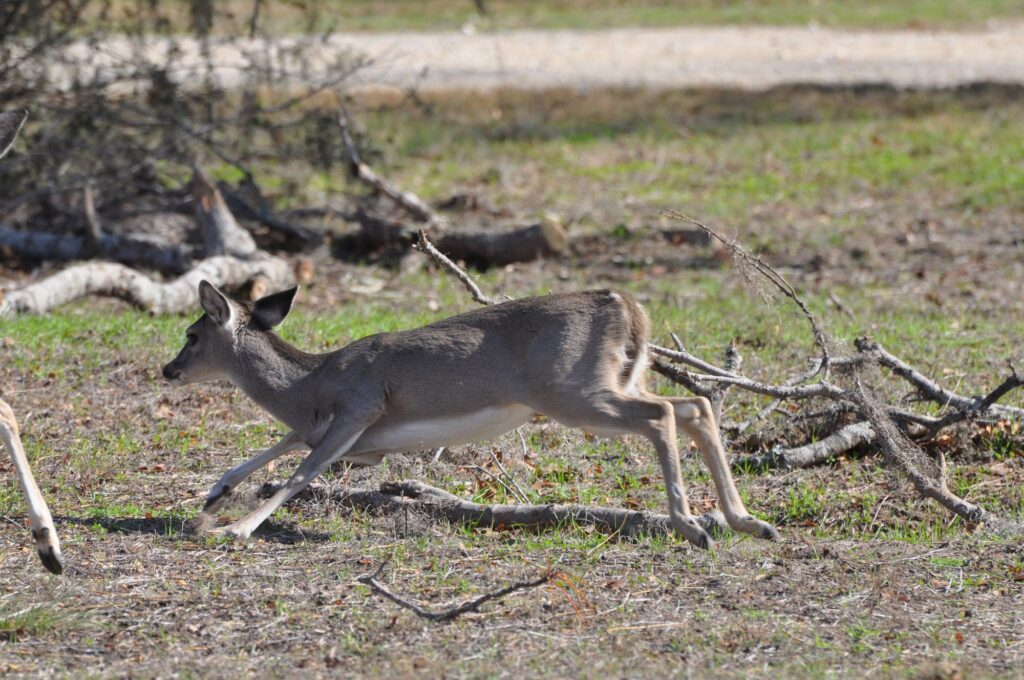
Deer season is a big deal in Texas, and for a lot of landowners it’s also a chance to earn some income from the land. Whether you’re letting a few family friends hunt or signing a paying lease, a little planning up front protects you, your property, and your relationship with the hunters.
Key 2026-27 Dates
According to Texas Parks and Wildlife, the white-tailed deer general season opens November 7, 2026. It runs through January 3, 2027 in the North Zone and January 17, 2027 in the South Zone. Archery-only season runs October 3 through November 6, 2026, and there’s a youth-only weekend October 30 through November 1. Late seasons follow in January. Bag limits and antler rules vary by county, so check the TPWD Outdoor Annual for yours.
Put It in Writing
A handshake deal feels neighborly until something goes wrong. A written lease should cover:
- Who can hunt, and whether guests are allowed
- Exact boundaries, gates, and off-limits areas like the house, barns, and livestock pastures
- Dates, price, and payment terms
- What game can be taken, and any harvest rules you want beyond state law
- Rules on vehicles, blinds, feeders, camping, and fires
- Gate policy: leave it how you found it
- Insurance requirements and what happens if rules are broken
Your county Texas A&M AgriLife Extension agent can point you to sample hunting lease checklists. Use one as a starting point, then have your own attorney review the final document.
Setting a Fair Price
Lease rates in Texas vary widely by region, habitat, water, deer quality, and what you include. A per-acre season lease is the most common setup, but day hunts, weekend packages, and a per-gun price are also used. Before you set a number, think about what you’re actually offering: blinds and feeders already in place, a camp or electricity, access to stock tanks, and other game such as hogs, dove, or turkey. Ask your county extension agent or neighbors who lease what is typical locally. Whatever you settle on, collect payment (or a deposit) before hunters move in and write the refund rules into the lease.
Understand Your Liability
Texas has a recreational use statute, Chapter 75 of the Civil Practice and Remedies Code, that can limit a landowner’s liability when people hunt on agricultural land. To keep that protection on a paid lease, one of these generally has to be true:
- You don’t charge a fee, or
- Your total lease fees for the year are no more than 20 times the prior year’s property taxes on the land, or
- You carry liability insurance of at least $500,000 per person, $1 million per occurrence for injury or death, and $100,000 per occurrence for property damage.
The protection doesn’t cover gross negligence, bad faith, or intentional harm. This is a summary, not legal advice, so talk with your insurance agent or an attorney before you sign. It’s also smart to require each hunter to carry their own liability coverage and name you as an additional insured.
Check Your Hunters’ Paperwork
Every hunter needs a valid Texas hunting license, and anyone born on or after September 2, 1971 must also have completed TPWD hunter education (with a limited deferral option). Ask to see both before the season, and keep a copy of each hunter’s name, license number, vehicle, and emergency contact. If your property is enrolled in TPWD’s Managed Lands Deer Program (MLDP), make sure your hunters understand how harvest tags and reporting work on your place.
Chronic Wasting Disease Rules
Parts of Texas are inside chronic wasting disease (CWD) containment or surveillance zones, where hunters may have to bring harvested deer to a check station and follow rules on moving carcasses. Look up whether your county is affected on TPWD’s CWD page and put the requirements in your hunter briefing.
Keep an Eye on Animal Health
New World screwworm has been confirmed in Texas this year. Ask your hunters to tell you about any deer they see with maggot-filled wounds. Texas Parks and Wildlife takes wildlife reports at 512-389-4505, and livestock cases go to the Texas Animal Health Commission at 1-800-550-8242.
Protect Your Ag or Wildlife Valuation
Leasing for hunting usually fits alongside agricultural use, but if your land is on open-space (1-d-1) valuation, keep the qualifying use going and keep records. If you are considering wildlife management use instead, the Texas Comptroller’s ag and wildlife valuation guidance and your county appraisal district explain what’s required. Talk with the appraisal district before making changes.
Get the Property Ready
- Walk and repair perimeter fences so cattle stay in and trespassers stay out.
- Check that gates lock and that you’ve shared the codes or keys with the right people.
- Clear downed trees from roads and senderos.
- Mark property lines and no-hunt zones clearly. Under Texas Penal Code § 30.05, purple paint marks on trees or posts count as legal “no trespassing” notice when they meet the size, height, and spacing rules in the statute.
- Give hunters a map with emergency contacts and your address for 911.
Be a Good Host, and a Firm One
The best leases run on clear expectations. Meet your hunters before the season starts, walk them through the rules, and check in now and then. If someone breaks the agreement, deal with it promptly and in writing.
After the season, walk the property again. Look for gates left open, ruts in wet roads, trash around blinds, and fence damage. Note what needs fixing before next year, and decide whether you want the same hunters back. A good lease relationship can last for years, and a bad one is easier to end at season’s close than in the middle of it.
Fences take a beating from deer, hogs, and hunting traffic. If yours need work before opening day, find a contractor on our fencing services page. For downed trees blocking roads, check our storm cleanup pros, and for brush and sendero work, see our land management contractors.